

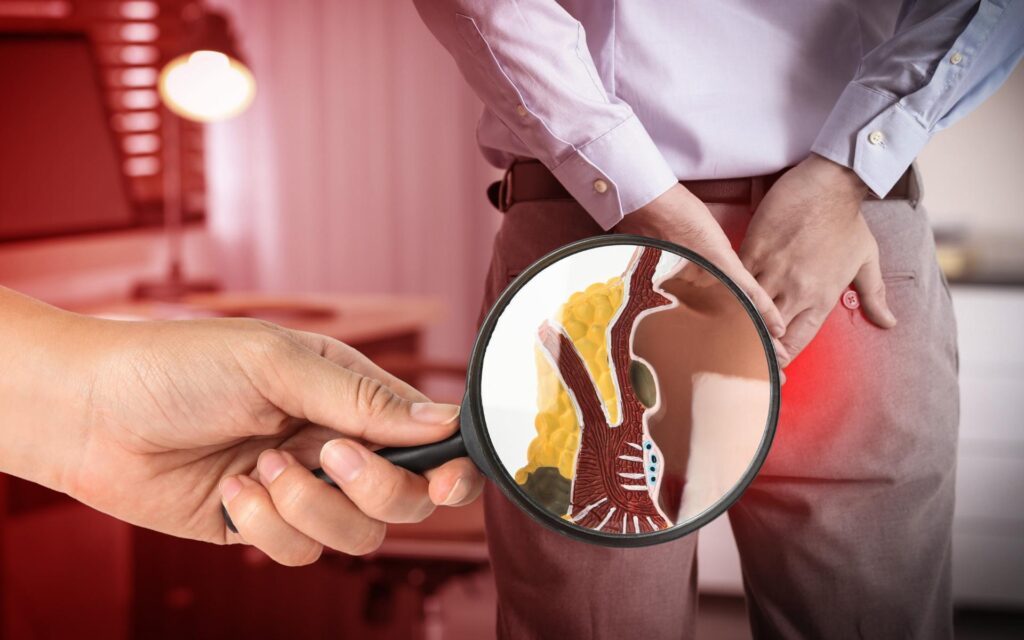
Anorectal diseases like piles (hemorrhoids), anal fissure, and fistula are extremely common, especially among individuals with sedentary lifestyles, chronic constipation, pregnancy, poor diet, or long working hours. While these conditions may seem minor initially, they can cause severe pain, bleeding, discomfort, and limitations in daily life if left untreated.
For many years, traditional open surgery was the standard treatment. However, it involved cuts, stitches, bleeding, prolonged recovery, and significant postoperative pain. With advancements in minimally invasive surgery, Laser Treatment has emerged as the most effective, pain-free, and fast-recovery option for treating piles, fissure, and fistula.
Laser proctology has gained massive popularity due to its precision, safety, minimal trauma to tissues, quick recovery, and negligible recurrence rate. This blog explains why laser treatment is considered the best option and how it is transforming colorectal care.
Understanding the Conditions
1. What Are Piles?
Piles, also known as hemorrhoids, are swollen veins inside or outside the anus. They cause:
- Bleeding during bowel movements
- Pain or burning
- Itching
- Swelling
Depending on severity, they may be internal, external, or prolapsed.
2. What Is Anal Fissure?
An anal fissure is a small tear in the lining of the anal canal. It causes:
- Sharp pain
- Bleeding
- Spasm of the anal muscles
- Difficulty passing stool
Chronic fissures often need advanced treatment.
3. What Is Anal Fistula?
A fistula is an abnormal connection between the anal canal and the skin around the anus. It causes:
- Recurrent infections
- Pus discharge
- Pain and swelling
- Fever (in severe cases)
Fistula rarely heals on its own and must be surgically treated.
Traditional Surgery vs Laser Treatment
Here’s a quick comparison to understand why laser procedures are becoming the top choice:
| Feature | Traditional Surgery | Laser Treatment |
|---|---|---|
| Pain | High | Minimal |
| Cuts/Stitches | Yes | No |
| Blood Loss | Moderate | Very minimal |
| Hospital Stay | 2–4 days | Mostly same-day discharge |
| Recovery Time | 2–3 weeks | 3–7 days |
| Infection Risk | Higher | Negligible |
| Recurrence | Possible | Very low |
| Return to Work | Late | Very early |
Laser surgery clearly outperforms traditional methods in all major aspects.
Why Laser Treatment Is the Best Option for Piles, Fissure & Fistula
1. Minimally Invasive & Stitchless Procedure
Laser energy is used to shrink piles, seal fissures, or close fistula tracts.
Unlike open surgery:
- No major cuts are made
- No stitches are required
- No major tissue damage occurs
This ensures faster healing and less trauma to the affected area.
2. Almost Pain-Free Experience
Laser treatment is known for being almost painless because:
- It targets only the affected tissue
- Surrounding healthy tissues are preserved
- There is no large incision
This is especially important for anorectal diseases, where the nerve supply is highly sensitive.
3. Quick Procedure – Usually 15 to 30 Minutes
Laser surgeries are short procedures.
Within minutes, the surgeon can:
- Shrink pile masses
- Seal fissures
- Clean and close fistula tracts
This is highly beneficial for working professionals, elderly patients, and those seeking convenient treatments.
4. Faster Recovery & Early Return to Work
Many patients resume normal activities within:
- 24–48 hours after laser treatment for piles
- 2–3 days for fissure
- 5–7 days for fistula
The absence of stitches and minimal tissue damage allows quick healing.
5. Minimal Blood Loss
Laser seals blood vessels instantly, reducing bleeding during and after surgery.
This is beneficial for:
- Patients with anemia
- Elderly individuals
- Women with heavy bleeding issues
- People with clotting disorders
6. No Risk of Incontinence
One of the biggest fears in anorectal surgery is the risk of losing control over bowel movements.
Laser treatments are extremely precise and avoid damage to the sphincter muscles, preserving continence completely.
7. Low Recurrence Rate
Traditional surgery often fails to address the root cause of piles or fistula, leading to recurrence.
Laser treatment:
- Shrinks hemorrhoidal tissue
- Treats the internal cause
- Removes or seals fistula tracts completely
This significantly reduces the chance of the problem returning.
8. Safe for Diabetic & Heart Patients
Laser procedures involve:
- Shorter anesthesia
- Minimal trauma
- Lower infection risk
This makes them safe for people with diabetes, hypertension, or cardiac conditions.
9. Day-Care Procedure
Most laser surgeries are performed as day-care procedures, which means:
- No overnight hospital admission
- Patients go home within hours
- Less exposure to hospital infections
It’s also more economical and convenient.
10. Better Cosmetic Results
Since the procedure involves:
- No cuts
- No stitches
- No scars
The anal region heals without disfiguring or long-term marks.
Laser Treatment for Piles
Laser hemorrhoidoplasty is a revolutionary procedure where laser energy shrinks swollen hemorrhoidal tissue.
Benefits:
- No external wound
- Minimal swelling
- No anal narrowing
- Very low recurrence
It is ideal for:
- Grade 2, 3, and some Grade 4 piles
- Persistent bleeding
- External thrombosed piles
Laser treatment has become the preferred option due to its reliability and comfort.
Laser Treatment for Fissure
Laser sphincterotomy or fissure cauterization ensures:
- Reduced muscle spasm
- Sealing of torn tissue
- Rapid pain relief
- Faster healing
The laser allows surgeons to treat deep chronic fissures without damaging the anal muscles.
Laser Treatment for Fistula
Fistula treatment is usually complex, but laser procedures such as FiLaC (Fistula Laser Closure) have changed outcomes dramatically.
Benefits:
- No cutting of sphincter
- No risk of incontinence
- Minimal infection
- High success rates
Laser seals the fistula tract from inside, preventing recurrence and improving healing.
Who Should Choose Laser Treatment?
Laser treatment is ideal for:
- Working professionals
- Individuals with severe pain
- Patients who want quick recovery
- People afraid of open surgery
- Those with recurrent piles or fistula
- Patients with medical comorbidities
Anyone seeking safe, precise, and fast treatment should consider laser surgery.
Preparing for Laser Surgery
Patients normally undergo:
- Physical examination
- Ultrasound or MRI for fistula
- Blood tests
- Dietary guidance
- Pre-anesthesia evaluation
The preparation is simple and usually requires no hospital stay.
Aftercare and Recovery Tips
To ensure smooth recovery:
- Drink plenty of water
- Add fiber to diet
- Avoid straining during bowel movements
- Maintain good hygiene
- Follow prescribed medications
- Avoid spicy or heavy foods for a few days
Most patients experience complete relief within a week.
Cost of Laser Treatment
The cost varies depending on:
- Severity of condition
- Type of anesthesia
- Hospital facilities
- Surgeon’s experience
Despite being slightly more expensive than traditional surgery, patients prefer laser due to its long-term benefits and faster recovery.
Why More People Are Choosing Laser Surgery
Laser treatment has become the top choice because it offers:
- Comfort
- Safety
- Precision
- Faster healing
- High success rates
It is ideal for modern lifestyles where patients cannot afford long downtime.