

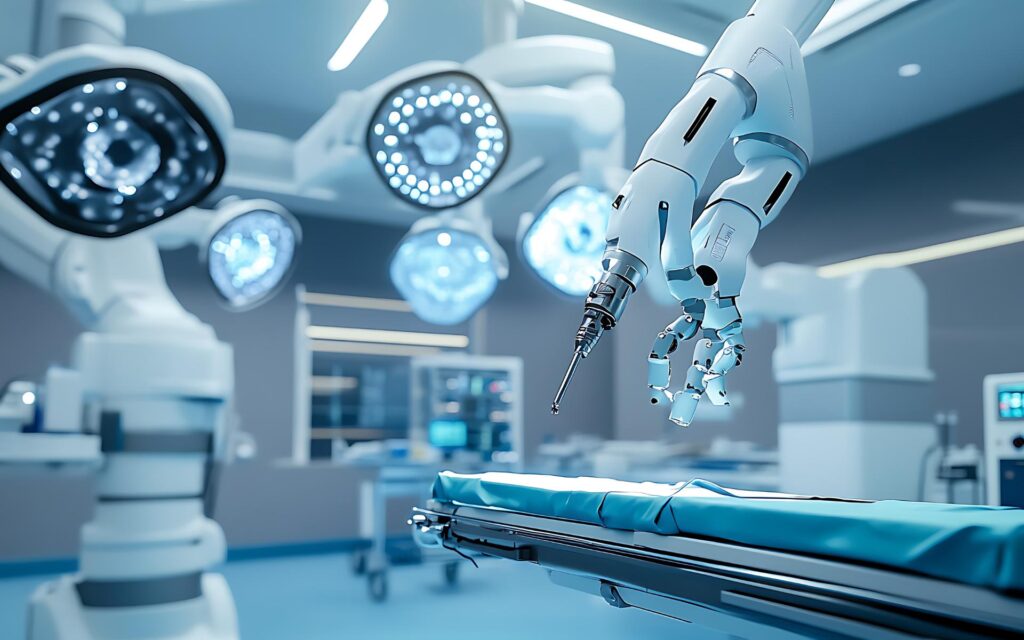
Women’s health care has advanced dramatically over the past decade, and one of the most revolutionary developments is robotic gynecology surgery. Designed to offer unmatched precision, minimal invasiveness, and faster recovery, robotic-assisted procedures are becoming the gold standard for treating complex gynecological conditions such as fibroids, endometriosis, ovarian cysts, pelvic floor disorders, and reproductive system abnormalities.
Compared to traditional open surgery and even laparoscopy, robotic gynecology surgery allows surgeons to perform highly delicate procedures with improved accuracy, flexibility, and control. As women increasingly look for safer, quicker, and more effective treatment options, robotic surgery is transforming the entire landscape of gynecologic care.
What Is Robotic Gynecology Surgery?
Robotic gynecology surgery is a minimally invasive technique performed using advanced robotic-assisted technology such as the da Vinci robotic system. It allows the surgeon to operate using tiny incisions with 3D magnification and enhanced dexterity.
Key Features of Robotic Surgery
- 3D high-definition visualization
- 360-degree wrist rotation for enhanced precision
- Magnified and stable camera views
- Micro-movements without trembling
- Smaller incisions and less tissue damage
These superior technical advantages allow surgeons to manage highly complex surgical tasks with greater confidence and safety.
Why Robotic Surgery Is Considered a Game Changer
Robotic surgery has set new benchmarks in women’s healthcare due to its powerful combination of innovation, safety, and patient comfort. Here’s how:
1. Unmatched Surgical Precision
The robotic arms mimic the surgeon’s hand movements with greater accuracy. This is particularly important in gynecology, where delicate organs, blood vessels, and nerves need precise handling.
2. Reduced Blood Loss
Because robotic procedures require smaller incisions and advanced cauterization, patients experience significantly less blood loss compared to open or laparoscopic surgery.
3. Smaller Incisions, Minimal Scarring
Cosmetic outcomes are far superior. Most women appreciate the minimal scarring and reduced pain after surgery.
4. Faster Recovery
Patients typically experience:
- Shorter hospital stay
- Faster return to daily activities
- Less postoperative pain
5. High Success Rate for Complex Conditions
Robotic surgery is particularly beneficial for:
- Deeply infiltrating endometriosis
- Large or multiple fibroids
- Severe pelvic adhesions
- Complex hysterectomy cases
Common Gynecological Procedures Performed Using Robotic Surgery
Robotic technology is now used in a wide range of women’s health surgeries. Here are the most common ones:
1. Robotic Hysterectomy
A hysterectomy involves removing the uterus and is often required for conditions such as fibroids, adenomyosis, endometriosis, and abnormal uterine bleeding.
Robotic-assisted hysterectomy ensures:
- Better visualization
- Reduced blood loss
- Faster postoperative recovery
2. Robotic Myomectomy (Fibroid Removal)
Women with symptomatic fibroids often choose robotic surgery because it offers:
- Better preservation of the uterus
- More precise suturing of the uterine wall
- Less damage to surrounding tissues
This is especially important for women who want to conceive in the future.
3. Robotic Endometriosis Excision
Endometriosis often spreads to areas that are difficult to access in traditional surgery.
Robotic tools allow surgeons to remove deep and complex endometriotic lesions with accuracy, reducing the risk of recurrence.
4. Robotic Ovarian Cystectomy
Robotic surgery makes the removal of ovarian cysts safer and less invasive, while preserving ovarian tissue—crucial for women planning future pregnancies.
5. Robotic Pelvic Floor Reconstruction
This surgery is performed for pelvic organ prolapse, a condition experienced by many women after childbirth or menopause.
Robotic pelvic floor repair offers:
- Stronger support
- Fewer complications
- Long-term stability
How Robotic Surgery Improves Women’s Health Outcomes
✔ Higher Accuracy, Lower Risk
Because robotic systems eliminate natural tremors and offer superior visualization, they reduce surgical errors.
✔ Lower Infection Rates
Small incisions mean a significantly reduced risk of postoperative infections.
✔ Better Fertility Outcomes
Robotic surgery is extremely beneficial for fertility-preserving surgeries:
- Myomectomy
- Endometriosis removal
- Tubal surgeries
- Ovarian cyst removal
These precise techniques help restore reproductive anatomy while minimizing scar tissue.
✔ Enhanced Quality of Life
Women report:
- Lower pain levels
- Better mobility
- Faster emotional recovery
For many, robotic surgery means returning to work, family responsibilities, and normal life sooner.
Robotic Surgery vs Laparoscopic Surgery: A Clear Comparison
| Feature | Robotic Surgery | Laparoscopic Surgery |
|---|---|---|
| Precision | Extremely high | Limited by hand movements |
| Camera View | 3D HD | 2D |
| Instrument Mobility | 360° wrist articulation | Straight instruments |
| Suturing | Highly accurate | More challenging |
| Tremor Control | Fully eliminated | Slight manual tremors |
| Best For | Complex surgeries | Basic/moderate cases |
Robotic surgery clearly surpasses laparoscopy for complex gynecological cases requiring precision.
Who Is an Ideal Candidate for Robotic Gynecology Surgery?
Women with the following conditions are good candidates:
- Large or multiple fibroids
- Chronic pelvic pain
- Endometriosis
- Uterine abnormalities
- Pelvic organ prolapse
- Heavy menstrual bleeding
- Ovarian cysts
- Adhesions from previous surgeries
A thorough evaluation and imaging tests help determine if robotic surgery is suitable.
What Patients Can Expect During the Procedure
1. Pre-Surgery Evaluation
- Blood tests
- Pelvic ultrasound
- MRI or CT scan (if required)
- Review of medical history
2. During Surgery
- Small abdominal incisions
- Robotic arms controlled by the surgeon
- Advanced imaging for accuracy
3. After Surgery
- Minimal pain
- Quick mobilization
- Short hospital stay
- Faster healing period
Most women return to normal life within 7–10 days, depending on their procedure.
Why More Women Are Choosing Robotic Gynecology Surgery
Women today prefer medical options that ensure:
- Less downtime
- Less pain
- Minimal scars
- High safety
- Quick recovery
Robotic surgery provides all these benefits while offering better surgical outcomes. It is particularly appealing for working women, new mothers, and those seeking fertility-preserving treatments.
The Future of Robotic Gynecology Surgery
By 2030, experts predict that over 50% of gynecological surgeries worldwide will be robotic-assisted. New advancements such as AI-guided movements and enhanced imaging will make surgeries even safer.
Future developments may include:
- AI-powered surgical planning
- 4D visualization
- Smaller robotic instruments
- Reduced surgery costs
- Improved accessibility across hospitals
Robotic surgery is poised to become the standard of care globally.
Conclusion
Robotic gynecology surgery is redefining women’s health care by offering a safer, more precise, and minimally invasive alternative to traditional surgical methods. For conditions like fibroids, endometriosis, pelvic prolapse, ovarian cysts, and fertility-related issues, robotic technology ensures better outcomes and faster recovery.
As hospitals continue to adopt advanced robotic platforms, women can expect a future where gynecological surgeries are not only highly effective but also less stressful and more comfortable.