

✅ Introduction
Pregnancy is a beautiful journey, regardless of age. However, for many women today, personal goals, career focus, financial planning, and late marriages often lead to pregnancy after the age of 35. Technically, this is known as advanced maternal age. While this term may sound intimidating, modern gynecology and advanced medical care have made pregnancy after 35 not only possible but also safe.
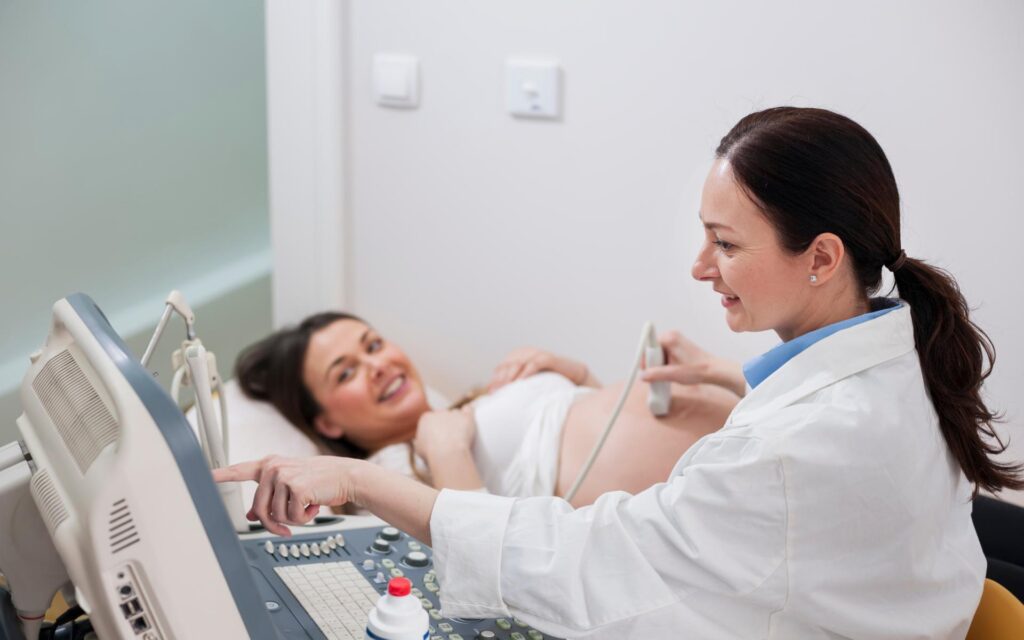
With proper prenatal care, regular monitoring, and timely medical support, women over 35 can experience a smooth pregnancy and a safe delivery. At Smart Clinics (Mohali), specialists provide comprehensive prenatal care—ensuring that both mother and baby remain healthy throughout the journey.
✅ Why Pregnancy After 35 Is Becoming Increasingly Common
In recent years, a growing number of women are choosing to conceive later in life due to:
- Career or business priorities
- Personal growth and emotional readiness
- Late marriage or second marriage
- Planning and financial stability
- Waiting for the right partner or conditions
With improving lifestyle, awareness, and advanced fertility treatments such as IVF, IUI, and ovarian stimulation, pregnancy after 35 has become more achievable.
✅ Understanding Advanced Maternal Age
Gynecologists consider pregnancy after age 35 as advanced maternal age due to reduced egg quality and higher chances of medical complications. However, this does not mean complications are inevitable—just that the pregnancy requires closer monitoring and specialized care.
✅ Risks Associated with Pregnancy After 35
While pregnancy at any age has risks, after 35 the chances slightly increase due to biological changes in the reproductive system.
1. Reduced Fertility
Women are born with a fixed number of eggs. After 35:
- Egg quantity declines
- Egg quality declines (higher chromosomal abnormalities)
- Higher risk of difficulty in conceiving naturally
2. Higher Risk of Miscarriage
Miscarriage risk rises due to chromosomal abnormalities.
3. Increased Chances of Pregnancy-Related Conditions
Women above 35 are more likely to develop:
- Gestational diabetes
- Hypertension or pregnancy-induced hypertension
- Pre-eclampsia (high blood pressure with protein in urine)
4. Genetic Disorders
Slightly increased risk of chromosomal abnormalities such as:
- Down syndrome
- Edwards syndrome
5. Higher Chances of Cesarean Delivery
Due to lower elasticity of tissues and possible complications, emergency C-sections can be more frequent.
Important Note: Advanced maternal age is not a barrier to pregnancy—just a medical factor that requires proper planning.
✅ How to Plan a Pregnancy After 35
Planning is key. Before trying to conceive:
🌸 Step 1: Preconception Counselling
A gynecologist evaluates:
- Ovulation patterns
- Reproductive health
- Hormonal levels (AMH, FSH, thyroid, prolactin)
- Any chronic medical conditions
🌸 Step 2: Essential Health Checkups
Common pre-pregnancy tests include:
| Test Name | Purpose |
|---|---|
| AMH (Anti-Müllerian Hormone) | Checks ovarian reserve (egg count) |
| Thyroid profile | Ensures thyroid levels are normal |
| Diabetes screening | Evaluates sugar levels |
| Ultrasound pelvis | Assesses uterus, ovaries, fallopian tubes |
🌸 Step 3: Lifestyle Optimization
- Maintain a healthy weight
- Exercise regularly (walking, prenatal yoga)
- Reduce caffeine and avoid alcohol and smoking
- Start prenatal vitamins (Folic acid)
Women who take folic acid 3 months before conception reduce neural defects in the baby by up to 70%.
✅ Diet and Lifestyle for Pregnancy After 35
🌿 Recommended Diet
- Protein-rich food (eggs, paneer, legumes)
- Iron-rich foods (spinach, beetroot)
- Calcium-rich foods (dairy, nuts, ragi)
- Omega-3 fatty acids (fish, flaxseed, walnuts)
🚫 What to Avoid
- Junk food
- Excess caffeine
- Processed sugar
- Smoking or alcohol
🧘 Lifestyle Tips
- 30 minutes of walk daily
- Prenatal yoga or stretching
- Good sleep hygiene
Healthy body → Healthy pregnancy → Healthy baby.
✅ Prenatal Care During Pregnancy After 35 (Trimester-wise Plan)
First Trimester (Weeks 1–12)
Focus: healthy implantation and baby development
- Schedule your first prenatal appointment
- Ultrasound to confirm pregnancy
- Blood and urine tests
- Start folic acid
- Manage nausea and fatigue
Second Trimester (Weeks 13–28)
Focus: fetal growth, screening for abnormalities
- Anomaly scan (18–22 weeks)
- Screening for gestational diabetes
- Monitoring for hypertension
Third Trimester (Weeks 29–40)
Focus: delivery planning and fetal monitoring
- Regular ultrasounds to track baby’s weight
- Blood pressure monitoring
- Decide mode of delivery
✅ Safe Delivery Options for Women Over 35
1. Normal Vaginal Delivery
Possible if:
- Baby’s position is head down
- No fetal distress
- No complications like high blood pressure
2. Induced Labor
Sometimes doctors induce labor if:
- Mother has diabetes or hypertension
- Pregnancy crosses 40 weeks
3. Cesarean Delivery (C-section)
Recommended if:
- Baby is in breech position
- Low placenta (placenta previa)
- Complications arise during labor
At Smart Clinics, gynecologists ensure women are guided with clarity, safety, and personalized care.
✅ Pregnancy After 35: Myths vs Facts
| Myth | Fact |
|---|---|
| “You cannot get pregnant after 35.” | Many women conceive naturally at 35–40 with proper planning. |
| “IVF is the only option for pregnancy after 35.” | IVF is NOT the only option. Many women conceive naturally or with simple ovulation medicines. |
| “C-section is mandatory.” | Many women after 35 deliver normally. |
✅ When to Contact a Gynecologist Immediately?
Seek medical help if you experience:
- Severe lower abdominal pain
- Bleeding or spotting
- Swelling of hands and face
- Severe headache or blurred vision
- Sudden decrease in fetal movements
Timely evaluation prevents complications.
✅ How Smart Clinics Supports Pregnancy After 35
Smart Clinics provides:
- Preconception counseling
- Advanced fertility evaluation (AMH testing, ovulation monitoring)
- Pregnancy scans & blood tests
- Management of high-risk pregnancies
- Personalized delivery planning
With advanced technology and a dedicated team, pregnancy after 35 becomes safe, supported, and stress-free.
✅ Frequently Asked Questions (FAQs)
1. Can a woman over 35 get pregnant naturally?
Yes. Many women conceive naturally at 35–40 with proper planning and timely medical support.
2. Is IVF the only option after 35?
No. IVF is recommended only if there are fertility issues like low egg reserve, blocked tubes, or hormonal disorders.
3. What supplements should be taken while planning pregnancy?
Folic acid, vitamin D, and prenatal multivitamins—only as prescribed by a gynecologist.
4. Is normal delivery possible after 35?
Yes, if pregnancy is healthy and there are no complications.
✅ Conclusion
Pregnancy after 35 is not a challenge—it is a journey that requires proper planning, medical guidance, and proactive care. With modern technology, advanced gynecological care, and regular prenatal monitoring, women can enjoy a safe pregnancy and a healthy delivery.
At Smart Clinics, every pregnancy—whether natural or assisted—is handled with compassion, precision, and expertise.