

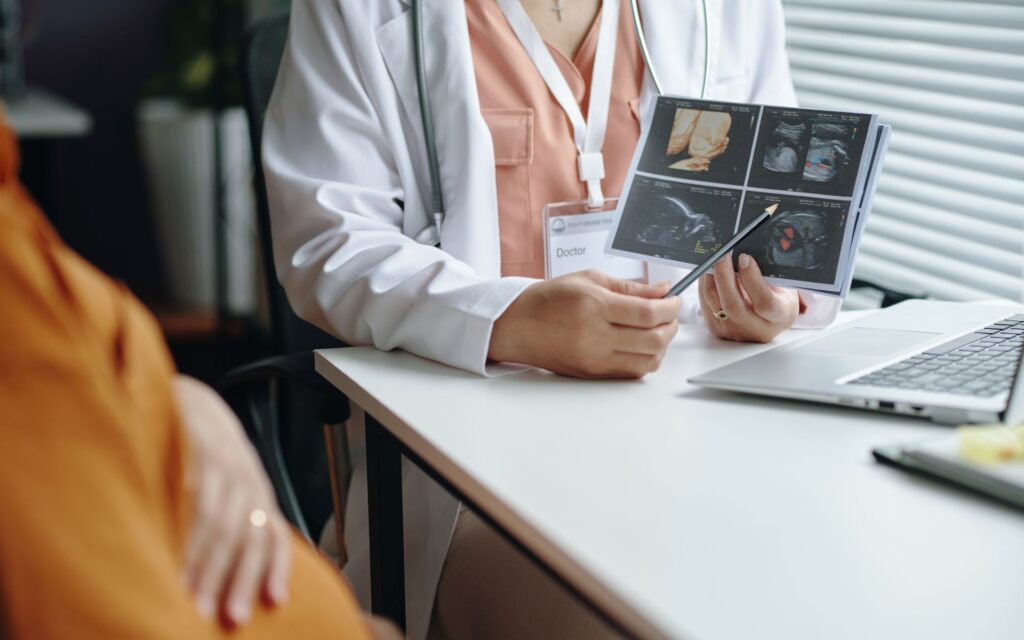
Introduction to Childbirth Options
Pregnancy is one of the most beautiful and transformative journeys in a woman’s life. As the due date approaches, one of the most important decisions expecting mothers face is choosing the mode of delivery. The two primary options are normal delivery (vaginal birth) and cesarean section (C-section). While both methods are safe and widely practiced, understanding their differences, benefits, risks, and recovery processes is essential for making an informed decision.
What Is Normal Delivery?
Normal delivery, also known as vaginal birth, is the natural process through which a baby is delivered through the birth canal. It typically begins with labor contractions that gradually increase in intensity and frequency, leading to the dilation of the cervix and eventual delivery of the baby.
This method is considered the most natural way to give birth and is generally recommended when there are no medical complications. Normal delivery allows the body to follow its natural course, and many women prefer it due to its shorter recovery time and fewer surgical risks.
What Is a C-Section?
A cesarean section, commonly known as a C-section, is a surgical procedure in which the baby is delivered through an incision made in the mother’s abdomen and uterus. This method is usually recommended when a vaginal delivery may pose risks to the mother or baby.
C-sections can be planned in advance due to medical reasons or performed as an emergency procedure if complications arise during labor. While it is a safe and lifesaving option, it involves surgery and requires a longer recovery period compared to normal delivery.
When Is Normal Delivery Recommended?
Normal delivery is typically recommended for women who have a healthy pregnancy without complications. It is suitable when the baby is in the correct position, the mother’s pelvis is adequate for childbirth, and there are no underlying medical conditions that may interfere with labor.
Women who maintain a healthy lifestyle, attend regular prenatal check-ups, and follow medical advice are more likely to have a successful vaginal delivery. Doctors often encourage normal delivery whenever possible because of its overall benefits for both mother and baby.
When Is a C-Section Necessary?
A C-section may be required in several situations where normal delivery is not safe. These include complications such as placenta previa, fetal distress, multiple pregnancies, or when the baby is in a breech or abnormal position.
Other reasons may include prolonged labor, failure of the cervix to dilate, or health conditions like high blood pressure or diabetes in the mother. In such cases, a cesarean section ensures the safety of both the mother and the baby.
Benefits of Normal Delivery
One of the biggest advantages of normal delivery is the quicker recovery time. Women who deliver vaginally can usually resume normal activities sooner compared to those who undergo surgery. Hospital stays are generally shorter, and the risk of infections or complications is lower.
Normal delivery also helps the baby pass through the birth canal, which can improve lung function and reduce the risk of respiratory issues. Additionally, it promotes early bonding between mother and baby and facilitates breastfeeding soon after birth.
Benefits of C-Section Delivery
C-sections are often life-saving procedures in complicated pregnancies. They provide a controlled and predictable delivery process, especially in high-risk situations. In cases where labor is not progressing or there is a risk to the baby, a C-section ensures a safe outcome.
For some women, especially those with certain medical conditions, a planned cesarean section may be the safest option. It eliminates the uncertainty of labor and can be scheduled in advance, allowing better preparation.
Risks and Challenges of Normal Delivery
While normal delivery has many benefits, it may also come with certain challenges. Labor pain can be intense and prolonged, sometimes lasting several hours. In some cases, complications such as tearing, heavy bleeding, or the need for assisted delivery using forceps or vacuum may arise.
There is also a possibility that a planned vaginal delivery may need to be converted into an emergency C-section if complications occur during labor. This unpredictability can be stressful for some mothers.
Risks and Challenges of C-Section
As a surgical procedure, a C-section carries risks such as infection, blood loss, and reactions to anesthesia. Recovery is usually longer, and mothers may experience pain at the incision site for several weeks.
Future pregnancies may also be affected, as repeated cesarean sections can increase the risk of complications like uterine rupture or placenta-related issues. Additionally, babies born via C-section may have a slightly higher risk of breathing difficulties immediately after birth.
Recovery After Normal Delivery
Recovery after a normal delivery is generally quicker and less complicated. Most women can walk within a few hours after delivery and resume daily activities within a few days. However, some discomfort, such as soreness or mild pain, may persist for a short period.
Proper rest, hydration, and nutrition are important for recovery. Postnatal exercises and pelvic floor strengthening can also help the body return to its pre-pregnancy state more effectively.
Recovery After C-Section
Recovery from a C-section requires more time and care. Since it is a major surgery, mothers are advised to avoid heavy lifting and strenuous activities for several weeks. Pain management, wound care, and regular follow-ups are essential during the recovery period.
It may take several weeks for the incision to heal completely. Emotional support and proper guidance from healthcare providers can help mothers cope with the physical and mental challenges of recovery.
Emotional and Psychological Aspects of Delivery
The mode of delivery can also have emotional and psychological impacts on mothers. Some women may feel disappointed if they are unable to have a normal delivery, while others may feel anxious about undergoing surgery.
It is important to understand that the primary goal is the safety and well-being of both mother and baby. Every birth experience is unique, and there is no “right” or “wrong” way to deliver a baby. Support from family, friends, and healthcare providers plays a vital role in ensuring a positive experience.
Making the Right Choice for You
Choosing between normal delivery and a C-section should be a collaborative decision between the mother and her healthcare provider. Factors such as medical history, pregnancy complications, baby’s position, and overall health must be considered.
Expecting mothers should attend regular prenatal check-ups, discuss their concerns openly, and follow their doctor’s recommendations. Being informed about both options helps reduce anxiety and prepares women for any situation during childbirth.
Importance of Prenatal Care
Regular prenatal care is essential for monitoring the health of both mother and baby. These visits help identify potential complications early and allow doctors to plan the safest delivery method.
A healthy lifestyle, including proper nutrition, regular exercise, and stress management, can increase the chances of a smooth and safe delivery. Education about childbirth and attending prenatal classes can also help mothers feel more confident and prepared.
Conclusion
Normal delivery and C-section are both safe and effective methods of childbirth, each with its own advantages and challenges. While normal delivery is often preferred for its natural process and quicker recovery, a C-section can be a lifesaving option in complicated situations.
The key is to stay informed, maintain open communication with your healthcare provider, and focus on the ultimate goal—a healthy mother and a healthy baby. Every pregnancy is different, and the best delivery method is the one that ensures safety, comfort, and positive outcomes for both mother and child.