

Introduction
Gallstones and kidney stones are both common medical conditions that cause severe pain and discomfort. Though they share similarities, they affect different organs and have distinct causes, symptoms, and treatments. Understanding the difference between gallstones and kidney stones is crucial for proper diagnosis and treatment.
In this blog, we will discuss:
✅ What gallstones and kidney stones are
✅ Symptoms that differentiate them
✅ Causes and risk factors
✅ Diagnosis and treatment options
✅ Preventive measures
Let’s dive deeper into this topic to help you understand when to seek medical care from a gastroenterologist in Mohali.
What Are Gallstones?
Gallstones are solid deposits of digestive fluid that form in the gallbladder, a small organ beneath the liver. These stones can vary in size, from as small as a grain of sand to as large as a golf ball.
Types of Gallstones
🔹 Cholesterol Gallstones – Made mostly of cholesterol, these are the most common type.
🔹 Pigment Gallstones – Composed of bilirubin, often seen in people with liver diseases.
What Are Kidney Stones?
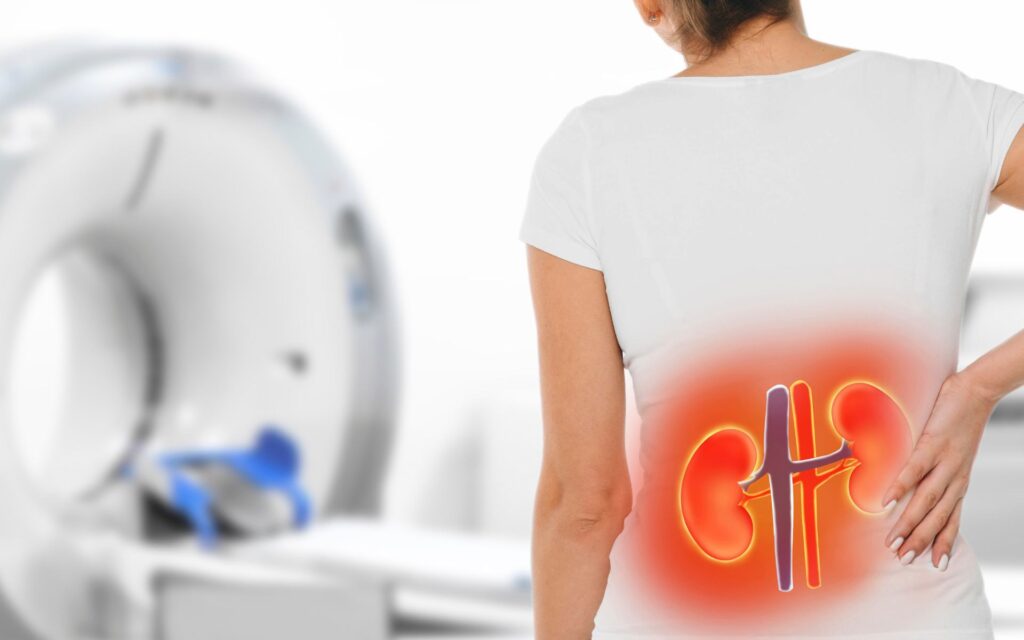
Kidney stones are hard mineral and salt deposits that form inside the kidneys. They develop when urine contains excess minerals and not enough fluid, leading to crystallization.
Types of Kidney Stones
🔹 Calcium Stones – Most common, made of calcium oxalate or calcium phosphate.
🔹 Uric Acid Stones – Formed due to high uric acid levels, often linked to gout.
🔹 Struvite Stones – Associated with urinary tract infections (UTIs).
🔹 Cystine Stones – Rare, caused by a genetic disorder.
Symptoms of Gallstones vs. Kidney Stones
While both conditions cause intense pain, the location and nature of the pain differ.
Gallstone Symptoms
✅ Sudden, sharp pain in the upper right abdomen
✅ Pain that radiates to the back or right shoulder
✅ Nausea and vomiting
✅ Indigestion and bloating
✅ Jaundice (yellowing of skin and eyes)
✅ Fever if infection occurs
Kidney Stone Symptoms
✅ Severe pain in the lower back or side
✅ Pain that moves to the lower abdomen and groin
✅ Blood in urine (hematuria)
✅ Frequent urge to urinate
✅ Burning sensation during urination
✅ Cloudy or foul-smelling urine
✅ Nausea and vomiting
🔹 Key Difference: Gallstone pain is often triggered after a fatty meal, while kidney stone pain comes in waves and fluctuates in intensity.
Causes and Risk Factors
What Causes Gallstones?
Gallstones develop when:
✔️ Too much cholesterol in bile leads to stone formation
✔️ Excess bilirubin is produced due to liver disease
✔️ The gallbladder does not empty properly, allowing bile to concentrate
Risk Factors for Gallstones
🟢 Obesity – Increases cholesterol levels in bile
🟢 High-fat, low-fiber diet – A major contributor
🟢 Rapid weight loss – Causes imbalances in bile production
🟢 Pregnancy – Increased estrogen levels slow gallbladder function
🟢 Diabetes – Alters bile composition
🟢 Family history – Genetics play a role
What Causes Kidney Stones?
Kidney stones form due to:
✔️ Dehydration – Insufficient water intake leads to concentrated urine
✔️ High oxalate intake – Found in foods like spinach, nuts, and chocolate
✔️ High salt consumption – Increases calcium levels in urine
✔️ Medical conditions – Such as hyperparathyroidism and UTIs
Risk Factors for Kidney Stones
🟢 Not drinking enough water
🟢 High-protein or high-sodium diets
🟢 Obesity and sedentary lifestyle
🟢 Family history of kidney stones
Diagnosis: How Doctors Identify Gallstones and Kidney Stones
Gallstone Diagnosis
🏥 Ultrasound – The most common imaging test for detecting gallstones.
🏥 CT Scan or MRI – Provides a clearer view of the gallbladder.
🏥 Blood Tests – Check for infection or liver function abnormalities.
Kidney Stone Diagnosis
🏥 Urine Test – Detects excess minerals and blood in the urine.
🏥 CT Scan or X-ray – Helps visualize the stone’s location and size.
🏥 Blood Tests – Check for kidney function and mineral imbalances.
📌 If you’re experiencing symptoms, consult a specialist at Smart Clinics in Mohali for proper diagnosis.
Treatment Options for Gallstones and Kidney Stones
Gallstone Treatment
🚑 Lifestyle Changes: Small gallstones may not require treatment; a low-fat diet can help prevent symptoms.
💊 Medications: Certain drugs dissolve cholesterol-based gallstones, but they work slowly.
🔪 Surgery (Cholecystectomy): The most effective solution is gallbladder removal, either laparoscopic or open surgery.
Kidney Stone Treatment
💧 Increase Fluid Intake: Drinking plenty of water can help small stones pass naturally.
💊 Medications: Pain relievers and drugs like alpha-blockers relax the ureter for easier stone passage.
🔦 Shock Wave Lithotripsy (SWL): Uses sound waves to break larger stones into smaller fragments.
🔪 Surgical Removal: If stones are too large, procedures like ureteroscopy or percutaneous nephrolithotomy may be necessary.
📌 Need expert consultation? Book an appointment with a gastro surgeon in Mohali or a kidney specialist.
Prevention Tips: How to Avoid Gallstones and Kidney Stones
How to Prevent Gallstones
✅ Maintain a healthy weight
✅ Eat a fiber-rich diet and limit fatty foods
✅ Stay hydrated to keep bile production steady
✅ Exercise regularly to reduce cholesterol levels
How to Prevent Kidney Stones
✅ Drink at least 8-10 glasses of water daily
✅ Reduce salt, sugar, and processed foods
✅ Eat calcium-rich foods to prevent oxalate buildup
✅ Limit red meat and high-oxalate foods (e.g., spinach, nuts)
When to See a Doctor
Seek immediate medical attention if you experience:
🔴 Severe, unbearable pain
🔴 Fever and chills
🔴 Blood in urine or jaundice
🔴 Persistent nausea and vomiting
At Smart Clinics, our expert gastroenterologists and urologists offer advanced treatment options for gallstones and kidney stones.
📍 Visit us today – Click here for location
Conclusion
Although gallstones and kidney stones have similar symptoms, they are distinct conditions requiring different treatments. Understanding their causes, symptoms, and prevention methods can help you maintain better digestive and kidney health.
If you’re experiencing persistent symptoms, don’t wait—consult a specialist at Smart Clinics in Mohali for expert care and treatment.