
Understanding High-Risk Pregnancy
A high-risk pregnancy is one in which the health of the mother, the baby, or both may be at greater risk of complications before, during, or after delivery. While most pregnancies progress without serious issues, some require special monitoring and medical care to ensure the best possible outcome. Being diagnosed with a high-risk pregnancy can feel overwhelming, but with the right care, guidance, and timely intervention, many women go on to have safe deliveries and healthy babies.
What Makes a Pregnancy High Risk?
A pregnancy may be classified as high risk due to pre-existing medical conditions, complications that develop during pregnancy, or factors related to lifestyle and age. The goal of identifying a high-risk pregnancy is not to create fear, but to ensure closer monitoring and proactive care. Early identification allows healthcare providers to manage risks effectively and reduce the chances of complications.
Common Causes of High-Risk Pregnancy
There are several factors that can contribute to a high-risk pregnancy. One of the most common is maternal age. Women who are younger than 18 or older than 35 may have a higher chance of complications. Pre-existing medical conditions such as diabetes, high blood pressure, thyroid disorders, or autoimmune diseases can also increase risk.
Lifestyle factors such as smoking, alcohol consumption, poor nutrition, and lack of proper prenatal care can negatively impact pregnancy health. Additionally, women who are overweight or underweight may face higher risks during pregnancy.
Complications that arise during pregnancy, such as gestational diabetes, preeclampsia, placenta previa, or multiple pregnancies (twins or triplets), can also make a pregnancy high risk. A history of previous pregnancy complications, miscarriages, or preterm birth may further increase the chances of a high-risk condition.
Medical Conditions That Increase Pregnancy Risk
Chronic health conditions can significantly affect pregnancy outcomes. Women with diabetes may experience high blood sugar levels that can impact fetal development. High blood pressure can reduce blood flow to the placenta, affecting the baby’s growth.
Thyroid disorders can disrupt hormonal balance, leading to complications if not managed properly. Heart conditions and kidney diseases may also require specialized care during pregnancy. Managing these conditions with regular medical supervision is essential to ensure a safe pregnancy journey.
Pregnancy-Related Complications
Certain complications develop only during pregnancy and can make it high risk. Gestational diabetes occurs when blood sugar levels rise during pregnancy and requires careful monitoring and dietary management. Preeclampsia is another serious condition characterized by high blood pressure and signs of damage to other organs, often requiring immediate medical attention.
Placenta previa, where the placenta covers the cervix, can cause heavy bleeding and may require a planned cesarean delivery. Preterm labor, in which labor begins before 37 weeks, can lead to premature birth and associated health concerns for the baby.
Symptoms of a High-Risk Pregnancy
Recognizing warning signs early is crucial for timely medical intervention. Symptoms of a high-risk pregnancy may include severe abdominal pain, heavy bleeding, persistent headaches, blurred vision, or sudden swelling in the hands and face.
Other signs include reduced fetal movement, high fever, severe nausea and vomiting, or unusual vaginal discharge. While some discomfort is normal during pregnancy, any unusual or severe symptoms should be reported to a healthcare provider immediately.
Importance of Early Diagnosis
Early diagnosis plays a vital role in managing high-risk pregnancies effectively. Regular prenatal check-ups help detect potential issues before they become serious. Routine tests, ultrasounds, and screenings allow doctors to monitor the baby’s growth and the mother’s health closely.
Early detection also provides an opportunity to make necessary lifestyle changes, start appropriate treatments, and plan for a safe delivery. Women who receive consistent prenatal care are more likely to have better outcomes even in high-risk situations.
Prenatal Care for High-Risk Pregnancy
Prenatal care is more frequent and detailed for high-risk pregnancies. Women may need additional tests, including blood tests, ultrasounds, and fetal monitoring, to track the baby’s development and detect any abnormalities.
Doctors may recommend specialized care from maternal-fetal medicine specialists who are trained to handle complex pregnancies. Regular monitoring ensures that any complications are addressed promptly, reducing risks for both mother and baby.
Lifestyle Changes for a Healthy Pregnancy
Adopting a healthy lifestyle is essential for managing a high-risk pregnancy. A balanced diet rich in nutrients supports both maternal health and fetal development. Foods high in protein, iron, calcium, and essential vitamins are particularly important.
Regular, moderate exercise as recommended by a doctor can improve circulation and overall well-being. Adequate rest and sleep are crucial for maintaining energy levels and reducing stress. Avoiding harmful substances such as tobacco, alcohol, and certain medications is essential for a healthy pregnancy.
Managing Stress and Emotional Well-Being
A high-risk pregnancy can be emotionally challenging, leading to anxiety and stress. Emotional well-being is just as important as physical health during this time. Support from family, friends, and healthcare providers can make a significant difference.
Relaxation techniques such as meditation, deep breathing, and prenatal yoga can help reduce stress. Open communication with doctors about concerns and fears can provide reassurance and clarity throughout the pregnancy journey.
Treatment and Medical Management
The treatment plan for a high-risk pregnancy depends on the underlying cause. For example, gestational diabetes may be managed with diet, exercise, and medication if necessary. High blood pressure may require close monitoring and medication to prevent complications.
In some cases, bed rest or reduced physical activity may be recommended to prevent preterm labor. Doctors may also prescribe medications to support fetal development or reduce the risk of complications. In severe cases, early delivery may be planned to protect the health of the mother and baby.
Monitoring Baby’s Health
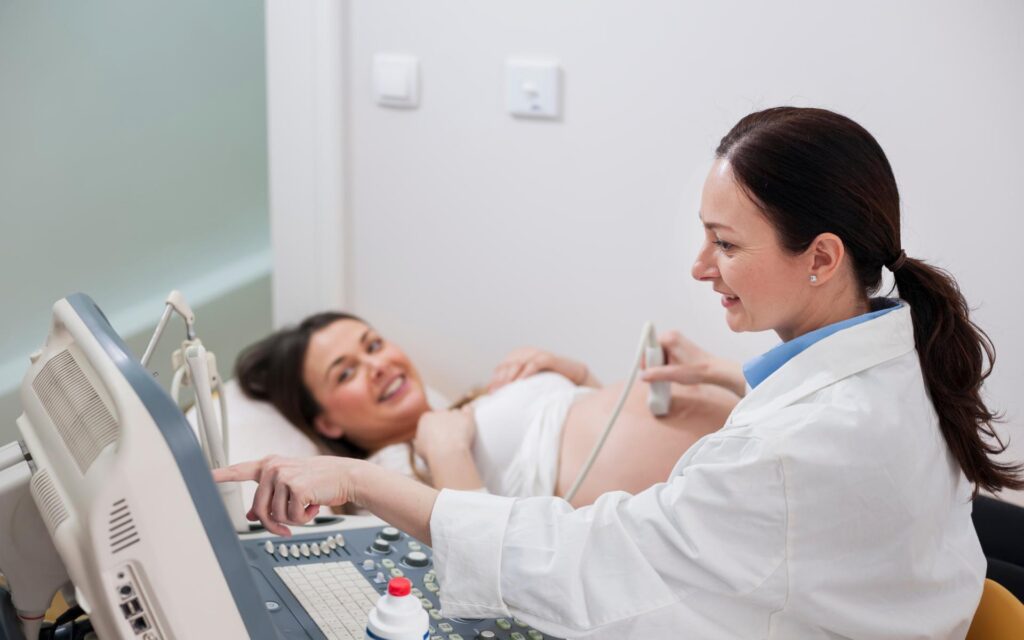
Monitoring the baby’s health is a key part of managing a high-risk pregnancy. Regular ultrasounds help assess growth, development, and amniotic fluid levels. Non-stress tests and biophysical profiles may be conducted to evaluate the baby’s heart rate and overall well-being.
These tests provide valuable information and help doctors decide the best course of action if any concerns arise. Continuous monitoring ensures that the baby receives the care needed for a healthy start in life.
Planning for Delivery
Delivery planning is an important aspect of high-risk pregnancy care. Depending on the condition, doctors may recommend either a normal delivery or a cesarean section. The decision is based on factors such as the mother’s health, the baby’s position, and the presence of complications.
In some cases, early delivery may be necessary to prevent risks. Having a clear delivery plan and discussing it with the healthcare team helps reduce uncertainty and ensures preparedness for any situation.
Postpartum Care After a High-Risk Pregnancy
Care does not end after delivery. Women who have experienced high-risk pregnancies may require additional monitoring during the postpartum period. This includes managing any ongoing health conditions, ensuring proper recovery, and addressing emotional well-being.
Newborns may also need special care if they were born prematurely or had complications during pregnancy. Regular follow-ups with healthcare providers help ensure a smooth transition into motherhood.
Importance of Awareness and Education
Awareness and education play a crucial role in managing high-risk pregnancies. Understanding the causes, symptoms, and preventive measures empowers women to take control of their health. Early recognition of warning signs and timely medical care can significantly improve outcomes.
Healthcare providers also play an important role in educating expectant mothers about lifestyle changes, treatment options, and coping strategies. Informed decisions lead to better health for both mother and baby.
Conclusion
A high-risk pregnancy requires careful monitoring, expert medical care, and a proactive approach to health. While it may present challenges, it does not mean that a healthy pregnancy and safe delivery are out of reach. With proper diagnosis, regular prenatal care, and support from healthcare professionals, many women successfully navigate high-risk pregnancies.
Focusing on a healthy lifestyle, staying informed, and maintaining open communication with doctors can make a significant difference. Every pregnancy journey is unique, and with the right care and attention, it is possible to achieve a positive and healthy outcome for both mother and child.